
From Idea to Working Agent: Inside a 72-Hour Agent Games Hackathon

From September 11–14, 200+ builders joined Agent Games, the first online hackathon hosted by Agentplace.
The challenge was simple:
Don’t build us a website. Build an agent that works.
Over 72 hours, participants built AI agents around real business problems, from language learning and travel to procurement, naming, agriculture and more.
By the end of the event, almost 40 agents had been published and submitted for judging.
On September 18, we announced five winners, awarding $1,000 in Agentplace credits across the categories.
Here’s what they built.
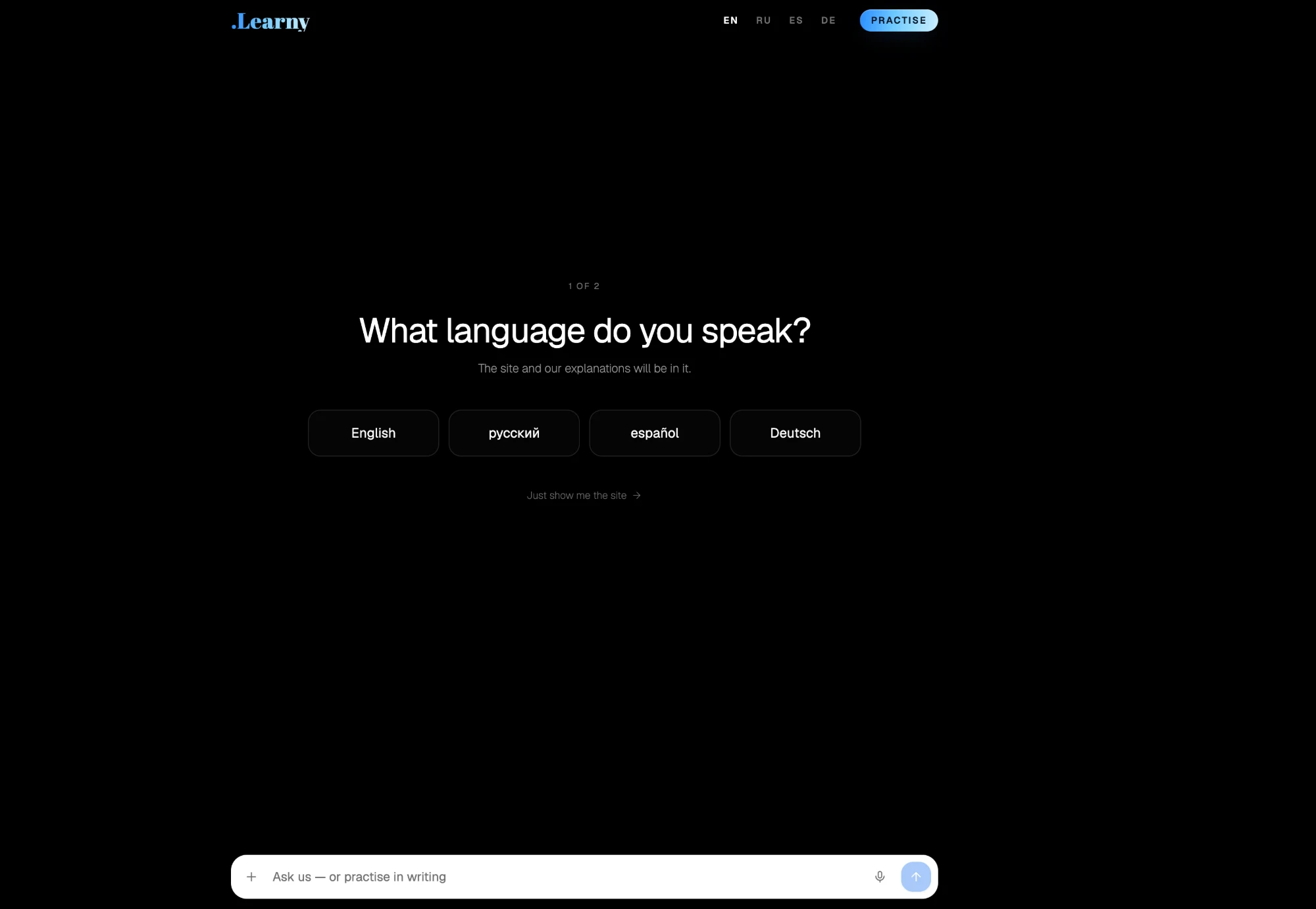
Best Agent: Learny, by Artem Lukashevich
Language learning has one obvious limitation: you can study alone, but practicing a real conversation usually requires another person.
Artem built Learny, an AI language tutor for English, Spanish, German and Russian.
Users can speak with the agent in real time, choose a scenario, set the pace, and switch between voice and writing in the same session.
The result is a complete language-practice experience built around conversation rather than a traditional lesson format.
Artem won Best Agent, the highest-scoring project across the judging criteria. He also received an opportunity to interview with the Agentplace team.
Deepest Business Case: Wayfarer, by Vasily Vlasov
Planning a trip can mean dozens of searches, comparisons and decisions. Wayfarer brings the process into one AI travel agent.
Users can choose Surprise Me for a destination recommendation or I’ll Do It Myself for a guided planning experience. Wayfarer considers budget, mood, season and visa requirements before making recommendations.
It can then create a day-by-day itinerary, help with flights and hotels, and provide a dashboard and agent chat after the trip is booked.
Wayfarer won Deepest Business Case for bringing destination discovery, planning, booking and post-booking support into one experience.
Wild Card: SAY MY NAME, by Raleigh Knight
Naming a company or product can involve weeks of strategy, research and back-and-forth.
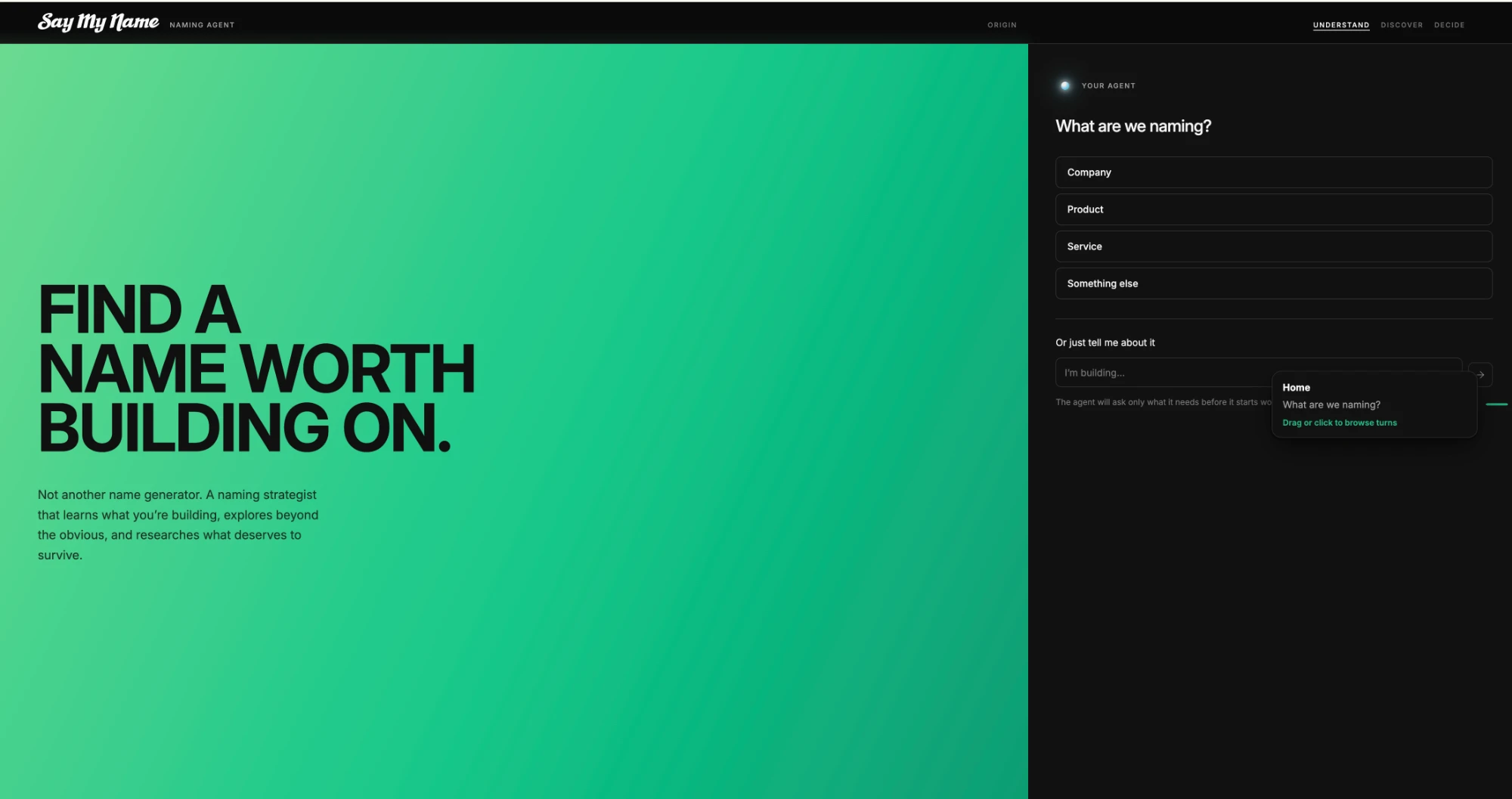
Raleigh built SAY MY NAME to turn that process into an AI-powered naming experience.
The agent develops a naming strategy, researches candidates, learns from user feedback and adjusts its approach when a direction doesn’t work. It also checks domain and existing-business signals, considers preliminary trademark signals, and explains the tradeoffs between finalists.
The process ends with a Naming Brief containing the strategy, research, reasoning and next steps.
SAY MY NAME won Wild Card.
Most Buzzworthy: Shivi, by Gloria Joseph
Supplier sourcing can mean hours of research, verification and email.
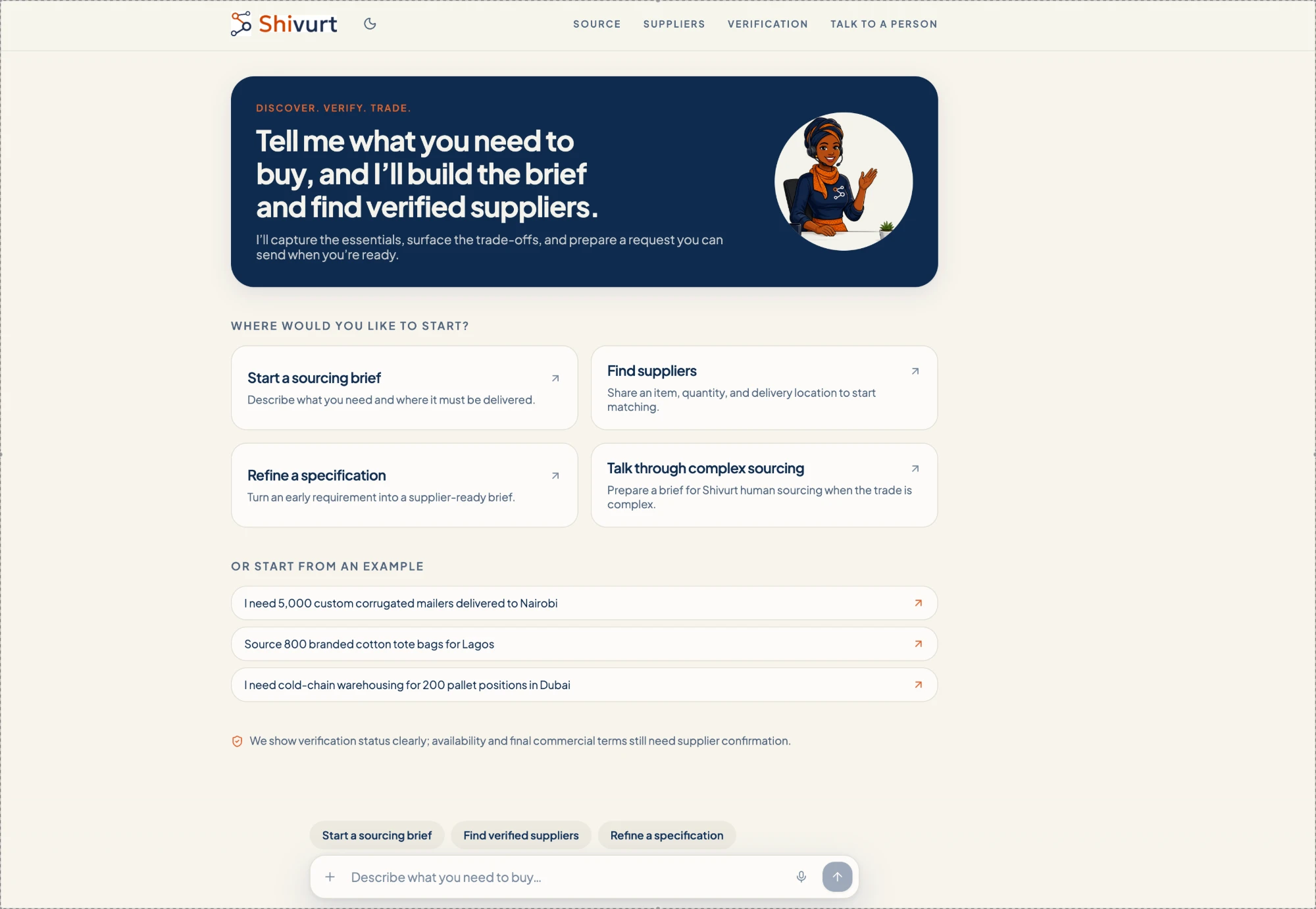
Gloria built Shivi, the AI procurement agent behind Shivurt, to bring that process into one place.
Users describe what they need, and Shivi turns the request into a sourcing brief, identifies requirements, finds matching suppliers and helps compare options. More complex situations can be handed off to a person.
Shivi attracted the most organic attention during the event and won Most Buzzworthy.
Community Pick: FieldDoc, by Raj Ambavane
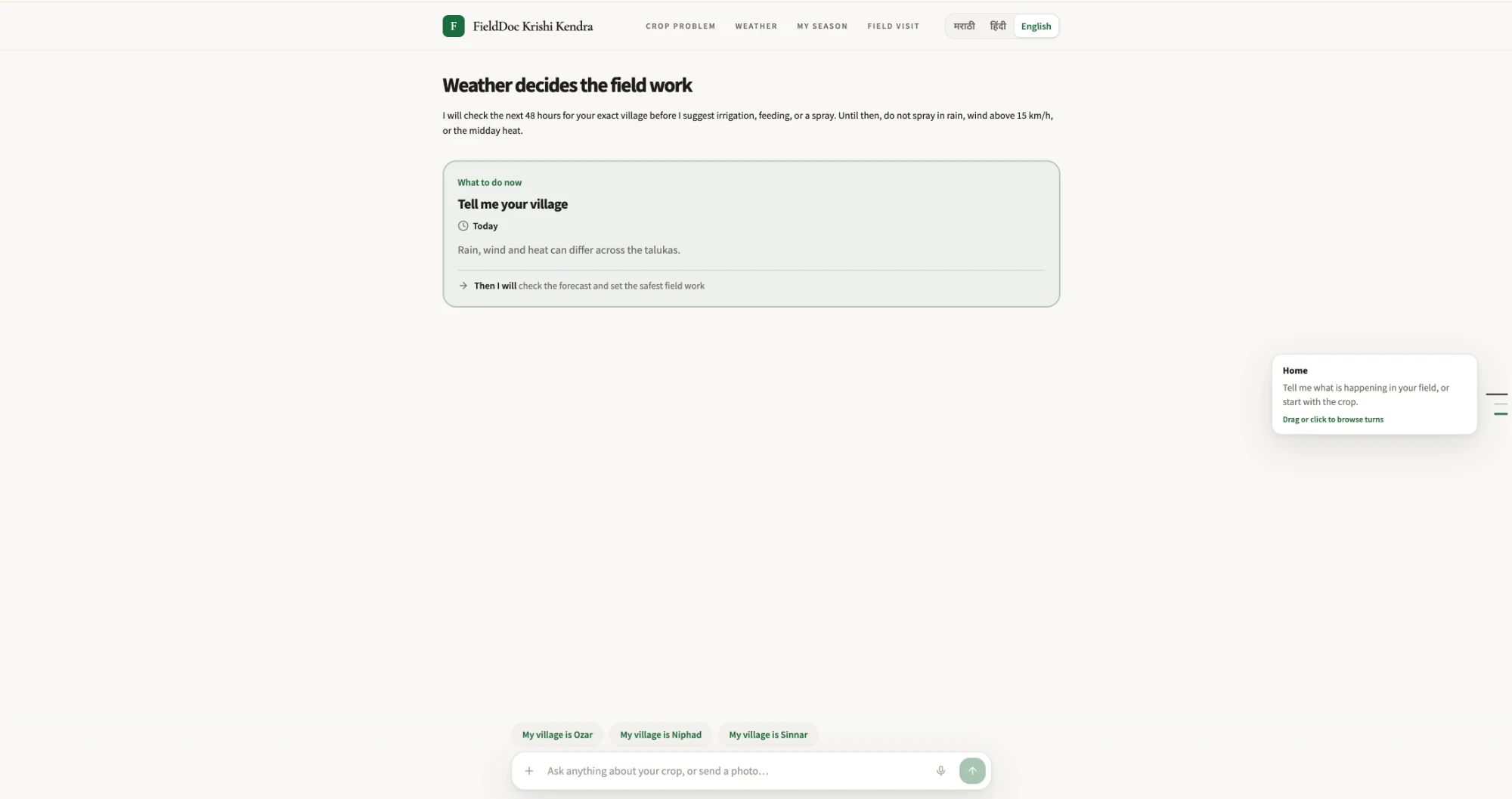
FieldDoc is an AI crop clinic built for Indian farmers.
Users can upload a photo of a sick plant and get help identifying potential disease, spray burn or heat stress. The agent communicates in Marathi and Hindi and checks local weather conditions before making recommendations.
One of its most notable rules is simple: if diagnostic confidence is below 70%, FieldDoc doesn’t recommend a product.
When the evidence isn’t strong enough, it can connect the farmer with a real agronomist. It can also maintain a season record, email recommendations in the farmer’s language, and work with Google Maps, OpenWeather, Airtable, Gmail and Cal.com.
Participants voted FieldDoc the Community Pick.
Other projects that stood out
With almost 40 agents submitted, there were plenty of projects worth highlighting.
Special mentions go to Syeda Juveria Afreen, Omotoyosi Adegbite for Sightline, Prasanna Bidkar, Atul Kumar Pandey, and Aarti Krishan Khatri for PhD Pathfinder.
Their projects explored construction workflows, interactive webpages, agent creation, CSV-based data processing and research.
What we learned
The range of projects was the biggest takeaway from Agent Games.
In 72 hours, builders created agents that teach, plan trips, develop brand names, source suppliers and help diagnose crop problems, alongside many other workflows.
Some looked nothing like traditional websites.
That’s exactly what we wanted to see.
An Agentplace agent can combine its own interface, business logic, context, records, tools and integrations into a single customer-facing experience. Agent Games gave builders the opportunity to put that idea into practice.
They took it further than we expected.
Thank you for building with us
Thank you to everyone who joined Agent Games, built something, shared feedback, helped other builders in Discord, or followed along.
We learned a lot from seeing what you created, and we’re excited to keep building on it.
This was our first Agent Games. We’re already planning the next one.
Follow us on LinkedIn for future events, product updates and announcements.
And if you’ve already tried the Agentplace Builder, leave us a review on G2. We’d love to hear what you built and what we can improve.
Put this into practice
See the customer experience.
Explore a concrete example related to this article, then adapt the agent to your business.
Create my AI agentStart free with your business idea. The AI builder can help you explore it and create your agent. No technical specification needed. Sign in to continue. Pricing and limits · How the builder works